Australia's property market in 2026 is moving in one direction: up — but unevenly, and with important nuances that matter especially for migrant buyers.
The RBA has cut rates from a peak of 4.35% in late 2023 to 3.85% currently, with the market expecting further reductions. Lower rates improve borrowing capacity, drive buyer confidence, and support prices. For migrants who have been waiting for better conditions, 2026 is a materially different environment from 2023–2024.
Here is what you need to understand about the current market.
Where prices are in mid-2026
Sydney
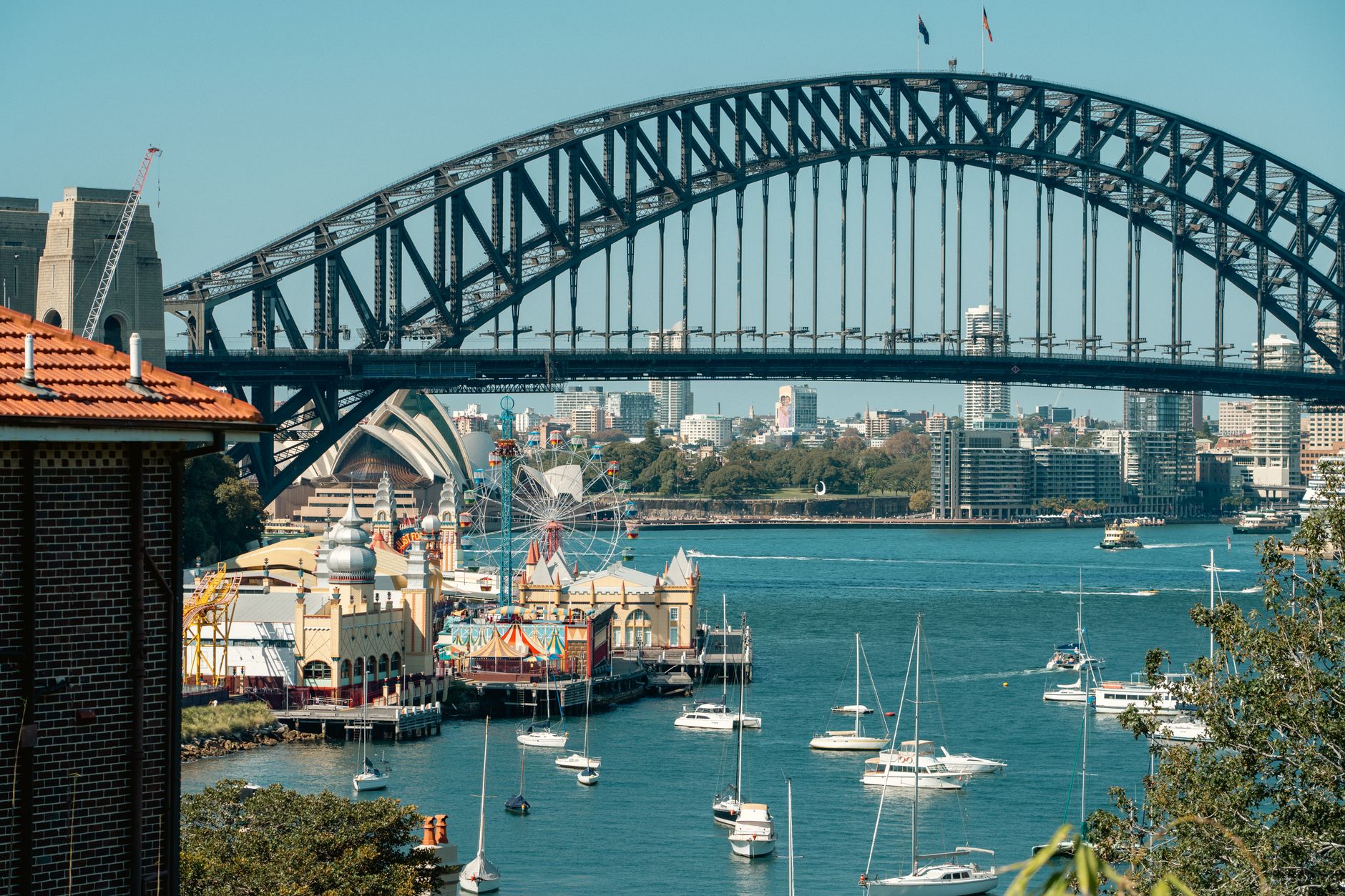
Sydney remains Australia's most expensive city. Median house prices are around $1.5M; median apartments in the $800K–$1.1M range depending on location.
The foreign buyer ban on established homes has shifted demand toward new apartments and off-the-plan projects — which are exactly what visa holders can purchase. This has created localised price pressure in inner-city new developments.
Melbourne
Melbourne underperformed Sydney during the post-COVID period and is now recovering steadily. New apartments in inner Melbourne are more accessible — $550K–$900K — compared to Sydney equivalents, with more supply coming to market from larger development pipelines.
Brisbane
Brisbane has seen some of the strongest growth over the past 3 years, driven by the 2032 Olympics pipeline and significant migration from southern states. However, there is still a price advantage over Sydney and Melbourne — particularly for first home buyers.
QLD's 7% foreign buyer surcharge (vs. 8% in NSW/VIC) is modest, and Brisbane offers more accessible new-build price points within the FHOG and HGS thresholds.
Perth
Perth has been one of Australia's best-performing property markets since 2022, driven by mining, resources and a relatively affordable entry point. The 7% foreign buyer surcharge applies, but Perth property values are lower — the equivalent surcharge in dollar terms is less than in eastern cities.
Perth is worth serious consideration for visa holders who have work opportunities in WA or are open to the west.
Adelaide
Adelaide has seen consistent growth and remains more affordable than the eastern capital cities. The 7% surcharge applies, but prices are lower. First home buyer eligibility for new builds is accessible within the price caps.
What the rate cuts mean for buyers in 2026
The RBA cut cycle (from 4.35% in late 2023 to 3.85% currently) has had two effects:
1. Increased borrowing capacity
Every 25bp cut in the cash rate increases borrowing capacity by approximately 2–3% for a given income level. For a borrower on $120,000 income, the improvement from peak to current rates represents an increase of roughly $30,000–$50,000 in maximum borrowing.
2. Increased demand
Lower rates bring buyers back into the market. When rates were at peak, many potential buyers chose to rent, save, or wait. As rates fall, more buyers activate — which supports prices.
What this means for timing:
- Waiting for further rate cuts to "improve affordability" often doesn't work as intended — lower rates push prices up, offsetting the borrowing capacity gain
- Getting into the market in a rate-cut cycle (before prices fully respond) has historically proven more advantageous than waiting
- The improvement in borrowing capacity from rates already cut is real and available now
The foreign buyer ban effect on supply and pricing
The April 2025 ban on established home purchases by foreign persons has created an unintended consequence: foreign buyers (including visa holders) are concentrated into the new-build market.
This concentration drives demand for off-the-plan projects, particularly in inner-city areas. New apartment prices in some Sydney and Melbourne developments have held or risen faster than equivalent established product — partly because the restricted supply of eligible purchase targets increases competition.
For visa holders actively shopping the new-build market, this means:
- Popular projects in desirable areas move quickly
- Developers have less urgency to negotiate
- Niche or less-marketed projects may offer better value
Engaging a buyer's agent who specifically works with new developments can improve access to less-advertised stock and provide negotiation support.
Which state makes the most sense for migrant buyers?
There is no single answer — it depends on where you work, your visa, and your property goals. However, here is a simplified framework:
For value and long-term growth potential
Brisbane (QLD) — lower median prices, strong infrastructure investment, growing economy, 7% surcharge (not 8%)
For established migrant community and employment depth
Sydney (NSW) / Melbourne (VIC) — most employment options, deepest market, but higher entry costs and 8% surcharge
For affordability and growth momentum
Perth (WA) — 7% surcharge, lower property values, strong resource-driven economy, high yield potential
For minimal foreign buyer surcharge
ACT (Canberra) — 0% foreign buyer surcharge. Government employment hub, growing technology sector, university town. Lower profile for most migrants but financially advantageous for those working in Canberra.
What migrants are asking in 2026
"Should I buy now or wait for more rate cuts?"
The market does not wait for rate cuts to be fully priced in before moving. Each rate cut announcement brings buyers back to the market quickly. If you are financially ready, waiting for a hypothetical lower rate is more likely to cost you in price appreciation than save you in borrowing costs.
"Are off-the-plan apartments a good buy?"
Off-the-plan carries risks (valuation gap at settlement, developer risk, body corporate costs) but provides access to new builds that are eligible for purchase by visa holders, as well as first home buyer grants and depreciation benefits. The decision depends on which project, which developer, and what your specific financial goals are.
"Is property in Australia still a good investment?"
Historically, Australian property over 10+ year holding periods has delivered consistent real returns. Short-term volatility exists, but the structural drivers (population growth via migration, constrained land supply, high cost of construction) remain in place. For migrant buyers who intend to remain in Australia long-term, property ownership provides both stability and participation in capital growth.
Practical next steps for migrant property buyers in 2026
- Confirm your visa status and purchasing eligibility — are you restricted to new builds only?
- Get a current borrowing power assessment — rates have changed; your capacity may be higher than you calculated 12 months ago
- Research the markets relevant to your work location — local knowledge matters
- Identify a broker who understands your visa category — especially important if on a temporary visa or with foreign income
- Start FIRB preparation early — 30+ days of processing time; never leave this to the last minute
Book a free migrant buyer consultation →
Last updated: May 2026. Property market conditions are current as at early May 2026 and subject to change. This is general commentary only and does not constitute financial or property investment advice.
Want the numbers run for your situation?
Get a free, no-obligation assessment from Arrivau's licensed team — loan, property or migration.
Start a free assessment →