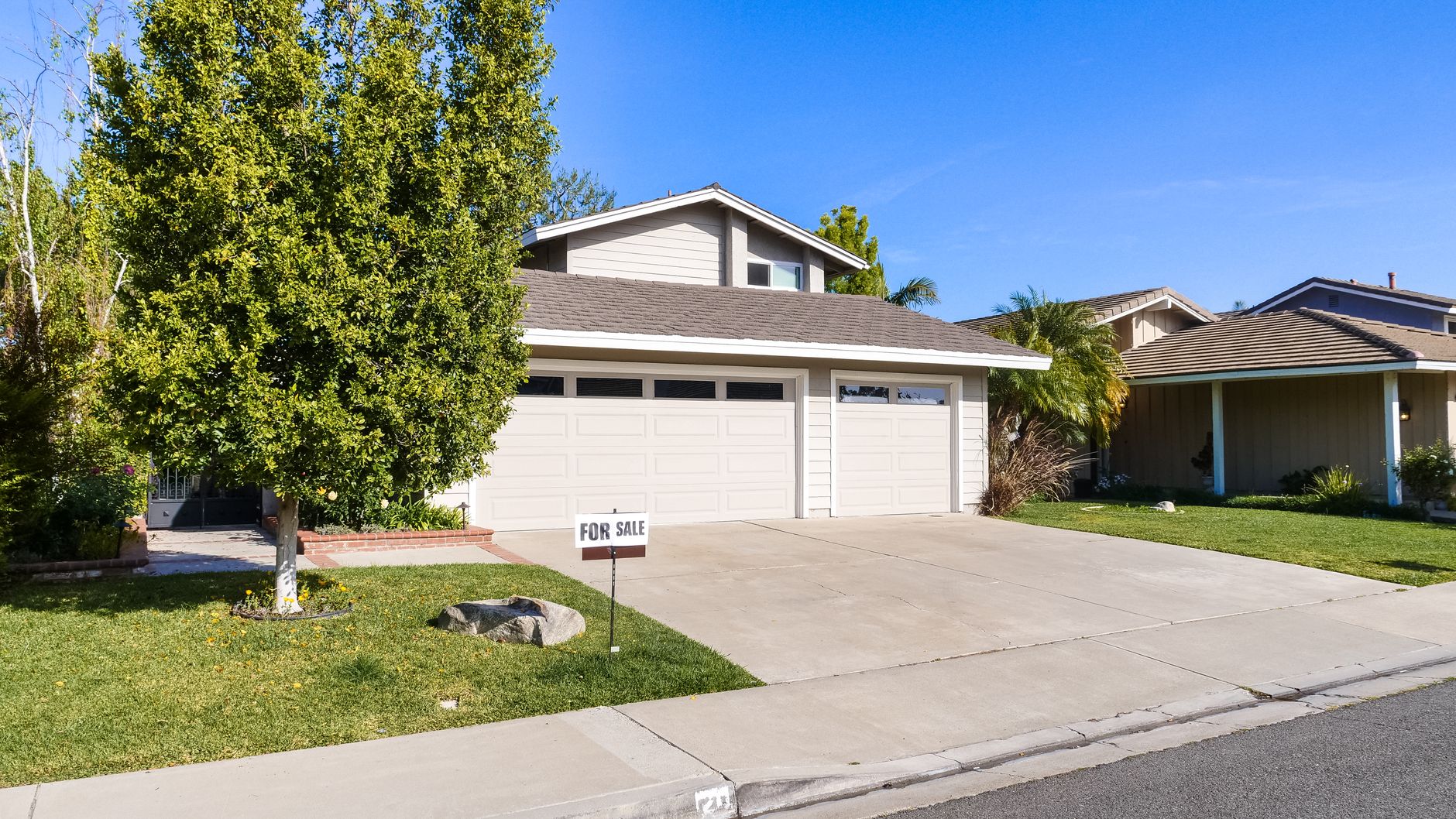
Understanding the Australian Mortgage Property Landscape in 2026
Australia’s residential property market continues to evolve, and for borrowers, the term mortgage property has never carried more weight. A mortgage property is not just the home you live in — it is the asset that secures your loan, influences your interest rate, and ultimately shapes your financial future. In 2026, lenders are applying sharper scrutiny to every mortgage property they fund, from inner-city apartments to regional family homes.
When you buy a mortgage property, you enter a contract where the bank places a legal charge over the title. If repayments fail, that mortgage property can be repossessed. That is why understanding what makes a strong mortgage property is essential before you sign any loan agreement. This guide breaks down the seven factors that Australian borrowers routinely overlook when choosing their mortgage property.
How Lenders Value a Mortgage Property – What Borrowers Need to Know
Before approving your home loan, every lender conducts a valuation on the mortgage property. This is different from the market appraisal a real estate agent gives you. The bank’s valuer is focused on risk: they want to confirm the mortgage property can be sold quickly if needed and that it covers the loan amount. If the valuation comes in lower than the purchase price, your loan-to-value ratio (LVR) rises, and you might need to pay Lenders Mortgage Insurance (LMI) or renegotiate the deal.
Key factors that influence a mortgage property valuation include:
- Location and postcode risk: Postcodes with high concentrations of new apartment stock often attract conservative valuations.
- Structural condition and building materials: Mortgage properties with weatherboard cladding or defects flagged in strata reports can see values trimmed.
- Comparable sales: Banks use recent sales data for similar mortgage properties within the same suburb.
- Size and title type: A small studio apartment or a company-title property usually scores lower than a Torrens-title house.
For borrowers, the lesson is clear: order an independent valuation on your target mortgage property before committing, and always keep a cash buffer to cover any valuation shortfall.
Location vs Loan: Why the Mortgage Property Type Impacts Your Interest Rate
Not all mortgage properties are seen as equal by Australian lenders. The type of mortgage property you choose — freestanding house, townhouse, apartment, or rural acreage — can directly affect the interest rate you are offered. High-density apartments in certain inner-city postcodes, especially those with a high proportion of investor-owned units, often trigger risk-based pricing. Some lenders cap the maximum LVR for an apartment mortgage property at 70%, even if you are an owner-occupier.
On the other hand, a detached house on a Torrens-title block in a middle-ring suburb is generally treated as a lower-risk mortgage property. These locations tend to have more consistent capital growth and wider buyer demand, which banks like. For regional mortgage properties, the picture is mixed: a large lifestyle block might be viewed as a specialised security, requiring a larger deposit and a higher rate.
Before you fall in love with a particular home, check how lenders classify that postcode and property type. Ask your mortgage broker to run a lender-by-lender comparison for the exact mortgage property address — a house two streets over can sometimes sit in a different risk band.
The Hidden Costs of a Mortgage Property: Stamp Duty, LMI, and More
Focusing only on the listed price of a mortgage property is a mistake that can stretch your borrowing capacity to breaking point. Tax and insurance costs add tens of thousands of dollars to the true purchase price. Stamp duty, for instance, varies by state and property value, and on a median-priced mortgage property in Sydney, it can exceed $30,000.
Then there is Lenders Mortgage Insurance. If you borrow more than 80% of the mortgage property value, LMI protects the bank — not you — but you pay the premium, often capitalised into the loan. On a $700,000 mortgage property with a 10% deposit, LMI could add $10,000 or more to your total borrowing.
Other costs to budget for when you acquire a mortgage property include:
- Conveyancing and legal fees
- Building and pest inspections — essential for any mortgage property, not just older homes
- Council and water rates adjustments
- Home and contents insurance, often required before settlement
- Ongoing strata levies if your mortgage property is an apartment or townhouse
Running a full cost estimate before making an offer on a mortgage property will help you avoid last-minute financial stress and ensure your loan approval proceeds smoothly.
Refinancing Your Mortgage Property: When and How to Switch
Refinancing a mortgage property is one of the most powerful tools available to Australian borrowers. With interest rates shifting in 2026, many homeowners are reviewing their current deals. Refinancing involves taking out a new loan — either with your current lender or a different one — to pay off the existing mortgage on the same mortgage property. The goal is usually to secure a lower rate, unlock equity, or consolidate debt.
Signs that it might be time to refinance your mortgage property include:
- Your fixed-rate term is ending and the revert rate is significantly higher than market offers.
- The value of your mortgage property has risen, reducing your LVR below 80% and eliminating LMI.
- You want to access equity for renovations or an investment property.
- Your financial situation has improved, making you eligible for better terms.
Be aware that refinancing a mortgage property is not free. Discharge fees, government charges to register a new mortgage, and potentially a fresh valuation fee can add up to $1,000 or more. However, if the new rate saves you $200 per month, the break-even point arrives quickly. Always calculate the net benefit and check the comparison rate, not just the headline rate, when considering any mortgage property refinance.
First Home Buyer? Mortgage Property Schemes You Should Consider
For Australians purchasing their first mortgage property, 2026 offers several government-backed initiatives that can significantly reduce the upfront burden. The First Home Guarantee allows eligible buyers to purchase a mortgage property with as little as a 5% deposit without paying LMI, because the government guarantees up to 15% of the loan. The scheme has price caps that differ by capital city and regional centre, so you need to ensure your chosen mortgage property falls within the applicable threshold.
State-based stamp duty concessions or exemptions are another critical lever. In Victoria, for example, a first-home buyer acquiring a mortgage property below a certain value may pay zero stamp duty, while a tiered concession applies up to a higher limit. New South Wales has a similar model, though the thresholds have been adjusted periodically.
Shared equity schemes also allow first-time buyers to co-purchase a mortgage property with the government or a participating lender, reducing the loan amount and monthly repayments. The trade-off is that the government shares in any future capital gain on the mortgage property.
If you are entering the market for the first time, map out every grant and concession you qualify for before setting a budget. Combining a deposit scheme with a stamp duty waiver can make a previously out-of-reach mortgage property suddenly affordable.
FAQ
What exactly qualifies as a mortgage property in Australia? A mortgage property is any residential property — house, apartment, townhouse, or land — that is used as security against a home loan. The lender holds a registered mortgage over the title until the loan is fully repaid.
Can I use an investment property as a mortgage property for another loan? Yes, you can cross-collateralise by linking multiple properties, but this is generally riskier because all your mortgage properties become tied to one loan structure, limiting flexibility.
How does the size of my deposit affect my mortgage property purchase? A larger deposit reduces your LVR, which can qualify you for lower interest rates and help you avoid LMI. Most lenders view a deposit of 20% or more of the mortgage property value as the threshold for the best terms.
Does the age of a mortgage property affect my loan approval? It can. Older homes may require building and pest inspections that reveal expensive repairs, influencing the bank’s valuation. Pre-1940s houses, unless renovated, sometimes attract conservative mortgage property valuations.
What happens if the value of my mortgage property falls after I buy? You still owe the full loan amount. If values drop and your LVR rises above 80%, you may not be able to refinance easily. This is known as negative equity, and it makes selling the mortgage property difficult without bringing cash to settlement.
Conclusion

Buying a mortgage property in Australia is about more than finding a home you like. It requires a clear understanding of lender valuations, property-type risks, hidden costs, refinancing pathways, and the government schemes available in 2026. Every mortgage property decision — from postcode selection to deposit size — shapes your financial flexibility for years to come.
Approach your next mortgage property purchase with a checklist: get a pre-valuation, compare lender policies for your specific property type, budget for all acquisition costs, and investigate every first-home buyer concession if you are eligible. By treating a mortgage property as both a home and a financial asset, you set yourself up for better loan terms, manageable repayments, and a stronger long-term position.
Want the numbers run for your situation?
Get a free, no-obligation assessment from Arrivau's licensed team — loan, property or migration.
Start a free assessment →