Building your own home is one of the most significant financial decisions you'll ever make. Unlike buying an established property, the funding behind a new build isn't a single lump sum—it's a structured pathway that hinges on a unique product: the construction loan. Whether you're purchasing a block of land and building from scratch or demolishing and rebuilding on an existing site, understanding the construction loan application process—including land loans, building contract review, progress drawdowns, and the pitfalls that trap unprepared borrowers—is essential to keeping your project on time and on budget.
This guide walks through each phase, drawing on Australian lender requirements, contract standards, and real-world borrower experiences so you can approach your build with confidence.
What Is a Construction Loan?
A construction loan is a specialised home loan where funds are released in stages as your builder hits key milestones, rather than in one upfront payment. You only pay interest on the money drawn down, not on the total approved limit. This progress drawdown mechanism protects both you and the lender: the bank verifies that work is complete before releasing more cash, and you avoid paying interest on funds you haven't used yet.
In Australia, most construction loans are structured as interest-only during the build phase—typically 12 to 24 months—before converting to a standard principal-and-interest loan at completion. The loan itself usually covers both the land and the construction (a combined facility), but some borrowers with existing land might use a land loan or leverage equity in their current property.
This structure makes construction finance fundamentally different from a traditional home loan, and that difference flows through to the application, approval, and ongoing management of the project.
Step 1: Securing a Land Loan
If you don't already own the block, purchasing land is the first transaction in the chain. While you can apply for a standalone land loan, most Australian borrowers obtain a combined construction-and-land loan with a single lender. Here's how the process typically unfolds.
You start with a pre-approval based on your income, deposit, and estimated build costs. This pre-approval gives you a clear budget ceiling before you sign a land contract or choose a builder. When you find the right block, the lender will value the land and issue a formal approval that allows you to settle. At land settlement, the bank releases the first drawdown—usually the land component—and you begin paying interest only on that drawn amount.
A land loan comes with its own set of rules. Lenders generally cap the loan-to-value ratio (LVR) for vacant land lower than for established homes, often around 80% to 95% depending on location and block size. The deposit required is therefore higher. If the land is in a regional or high-risk area, the maximum LVR can drop further. You'll also need to confirm that the block is registered and has appropriate zoning, services, and access, because the bank won't settle on unregistered land in most cases unless there's a specific arrangement with the developer.
Importantly, the land loan and the construction loan need to work together. Some borrowers make the mistake of financing land with one lender and the build with another, only to run into cross-collateralisation headaches, higher costs, or delays. A single facility with one lender is nearly always simpler and cheaper.
Step 2: Building Contract Review and Approval
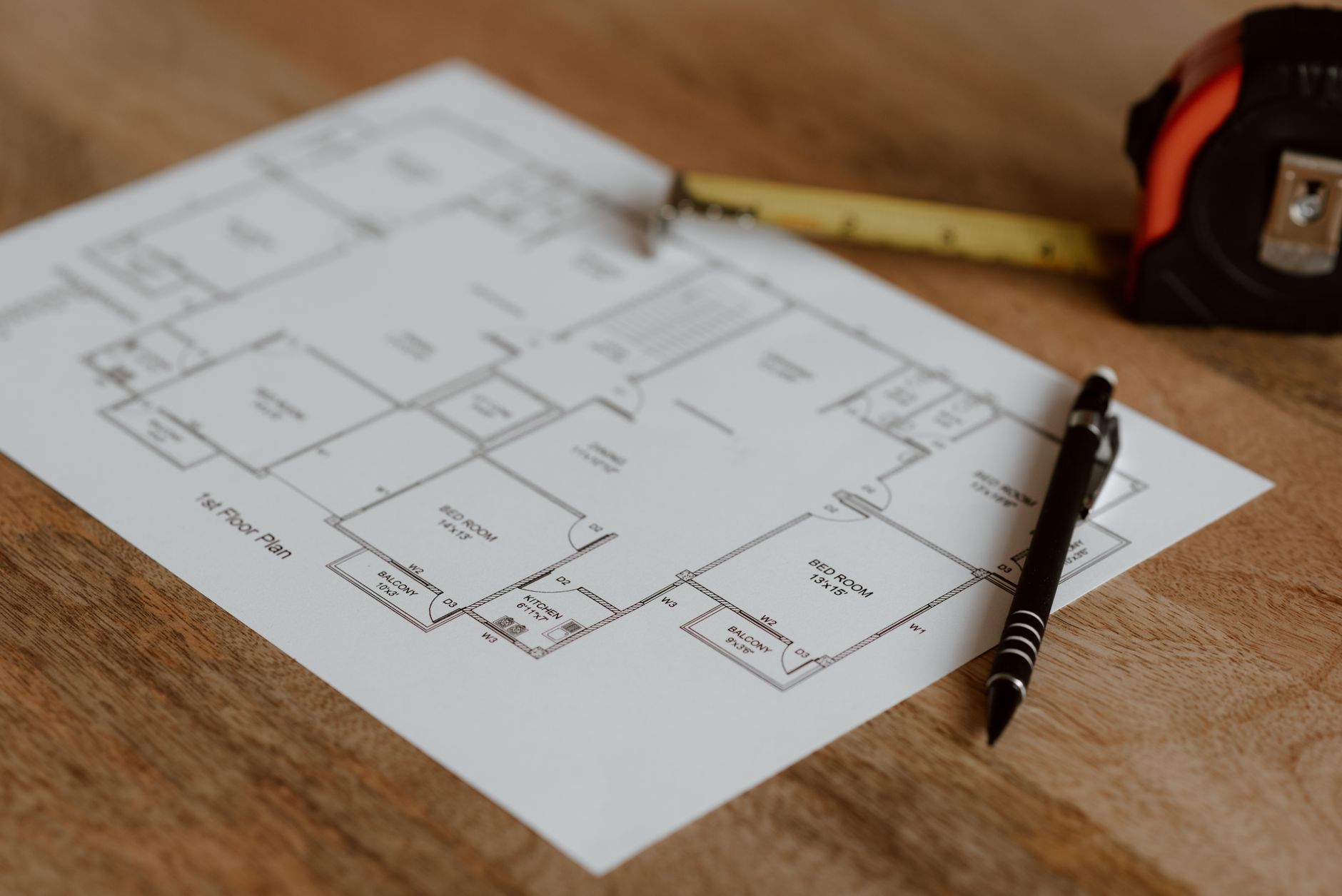
Once the land is secured (or if you already owned it), the focus shifts to the building contract. Lenders in Australia insist on a fixed-price building contract before they'll give full approval. This document needs to spell out the total cost, a detailed schedule of progress payments, project timelines, and a complete specification of materials and finishes.
Why the lender reviews the contract
The bank isn't just checking a number. It wants to confirm that the contracted price is realistic for the size and finish of the home—this is known as an “as if complete” valuation. A valuer or quantity surveyor will assess whether the total project cost makes sense relative to comparable properties in the area. If the contract price is higher than the expected end value, the lender may reduce the loan amount, leaving you to fund the gap.
The contract must also clearly define the drawdown stages (see next section) and include the builder's licence details, insurance certificates, and a start and completion date. In New South Wales, for example, the builder must provide Home Building Compensation Fund (HBCF) insurance for projects over $20,000. Other states have equivalent arrangements, and the lender will require evidence that insurance is in place before construction can begin.
The borrower's role in contract review
Even though the bank undertakes its own assessment, you should engage an independent solicitor or conveyancer with experience in residential building contracts. Key items to scrutinise include:
- Prime cost and provisional sum (PC/PS) allowances: these are estimates for items like tiles, tapware, and appliances. If the allowance is set too low, you'll pay the difference later.
- Excluded items: things like driveways, landscaping, fencing, window coverings, and floor coverings are frequently left out of base contracts. If they aren't listed, they aren't included.
- Variations: understand the process and cost of making changes once construction has started. A contract with an easy variation process can invite budget blowouts.
- Liquidated damages: if the builder runs late, what compensation do you receive? Ensure it's a meaningful daily rate.
- Termination clauses: what happens if the builder becomes insolvent? You need an exit path that doesn't leave you with a half-finished house and no funds.
Getting the building contract review right before you sign is the single most effective way to avoid the most common pitfalls of construction finance.
How the Progress Drawdown Mechanism Works
Progress drawdowns are the engine of a construction loan. Instead of receiving the total loan at settlement, your lender releases money at pre-agreed construction milestones. Each payment is called a drawdown, and you'll see the terms “progress payment” and “progress draw” used interchangeably.
A typical five-stage schedule in Australia looks like this:
| Stage | Description | Typical Percentage of Total Contract (Draw) |
|---|---|---|
| Slab (Base) | Foundation poured and slab complete | 10–20% |
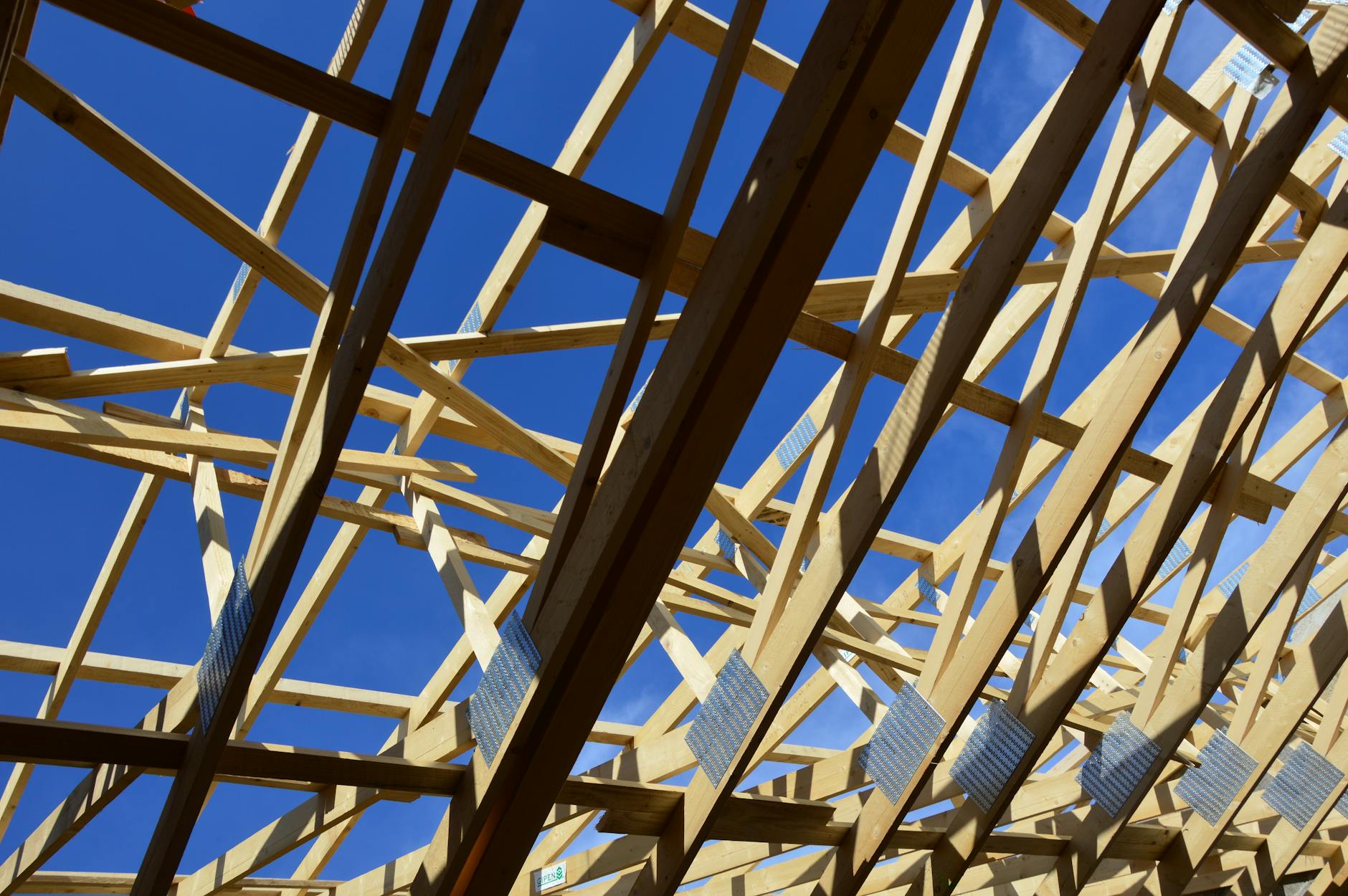
| Frame | Wall and roof framing erected | 15–20% |
| Lock-up | Windows, doors, roofing, and external walls complete; house is secure | 20–25% |
| Fixing (Rough-in) | Internal lining, plaster, cabinetry, plumbing and electrical rough-in | 25–30% |
| Completion | All finishes, painting, appliances, cleaning, and final inspection | 10–20% |
The exact percentages depend on the builder, the contract, and the lender's valuer. Some contracts have a sixth stage (e.g., “practical completion” before the final claim), but the principle remains the same: the bank only releases funds after an inspection confirms the work is done.
How each drawdown works in practice
- Request: the builder issues a progress claim with a tax invoice.
- Inspection: the lender or its agent inspects the site to verify that the claimed stage is genuinely complete.
- Approval: once verified, the bank releases the drawdown to the builder (or, on some older loan structures, to you as the borrower to pass on—though most modern facilities pay the builder directly to reduce risk).
- Interest charge: from the day the drawdown hits your loan account, you begin paying interest on that drawn balance.
During construction, your repayments are interest-only and calculated only on the drawn amount, not the undrawn limit. This keeps holding costs manageable, but it also means that as each stage is released, your monthly interest bill climbs. Factoring this into your budget is a crucial part of preparation that many first-time builders overlook.
5 Common Pitfalls When Building with a Construction Loan
Even with a well-structured loan, plenty of things can go wrong. Here are the traps that consistently catch out Australian borrowers.
1. Underestimating the full project cost
The base contract price is only part of the picture. You'll also need to cover site costs, council fees, utility connections, soil tests, surveys, and the items the builder excludes (driveways, landscaping, curtains). A common rule of thumb is to add 15–20% to the contract price to reach a realistic total project cost. Not doing so can leave you short before the final drawdown, risking delays or an inability to finish.
2. Assuming the contract is truly fixed-price
A “fixed-price” contract still allows for price rises through prime cost adjustments, variations you request, unforeseen site conditions (rock removal, poor soil), and delays that trigger holding costs. Scrutinise the contract before signing, and make sure your contingency fund covers at least 10% of the build cost.
3. Signing a build contract before getting finance approval
Many borrowers fall in love with a house design and sign a building contract before their loan is fully approved. Pre-approval is not a guarantee—the lender still needs to value the land and the contract. If the valuation comes in low, or the contract has terms the bank won't accept, you might not get the finance you need, but you could still be legally bound to the builder. Always insert a “subject to finance” clause in the building contract, and ideally wait for formal approval before committing.
4. Not tracking progress payments and their interest impact
A construction loan's interest bill grows with each drawdown. Borrowers who don't project their cash flow can find themselves stretched in the months when the fixing and completion stages are drawn—especially if they are renting elsewhere at the same time. Use a construction loan calculator that maps out projected monthly interest costs as each stage is released, and budget for the peak, not the average.
5. Choosing the wrong builder or failing to check credentials
Builder insolvency remains a real risk in Australia. Check that your builder holds a current licence, has appropriate insurance (HBCF in NSW, QBCC in Queensland, VBA in Victoria, etc.), and can provide references from recent projects. Your lender will verify insurance, but it won't assess the builder's track record. A low headline price can be tempting, but if the builder cuts corners or goes out of business mid-project, you'll face delays, cost overruns, and a lot of stress.
Construction Loan FAQ
Can I get a construction loan if I already own the land?
Yes. If you own the land outright, you can use the equity as your deposit and borrow against it for the build. The lender will still require a fixed-price contract and a staged drawdown schedule. If the land has an existing mortgage, you may be able to refinance it into the construction loan for a single facility.
What deposit do I need for a construction loan?
Most Australian lenders require a minimum 5–10% deposit of the total project cost (land plus build), but borrowing above 80% LVR generally triggers Lenders Mortgage Insurance (LMI). Some lenders have more conservative LVR caps for construction in certain postcodes, so be prepared to show genuine savings of at least 10–20% for a smoother path.
Do construction loans have higher interest rates?
Construction loans typically have variable interest rates that are comparable to standard variable home loans, though they may be slightly higher during the build phase. The real difference is the structure (interest-only while building) rather than a premium rate. Fixed-rate options on construction loans are rare because the variable progress drawdowns don't align well with a fixed-rate funding model.
Can I manage the build myself as an owner-builder?
Owner-builder construction loans are available but much harder to obtain. Lenders see them as high-risk because you aren't a licenced professional. You'll likely face a lower LVR cap (often 60–70%), need a detailed project plan with approvals, and must demonstrate relevant experience. The majority of construction loans are written for licenced builders for good reason.
What happens if the build costs more than the approved loan?
You'll need to fund the shortfall from your own savings. Construction loan limits are set at formal approval based on the fixed-price contract and valuation. If variations push costs over, the bank won't advance extra money unless you apply for a top-up, which is a new credit assessment. This is why a solid contingency is non-negotiable.
Putting It All Together
Securing a construction loan in Australia is a multi-step journey that rewards preparation and attention to detail. It starts with a clear land loan strategy—whether you're buying a block or leveraging existing equity—and moves through a rigorous building contract review that protects both your interests and the bank's. Once the build begins, the progress drawdown mechanism keeps money flowing in line with real progress, but it also demands that you manage rising monthly interest costs.
The pitfalls are well-known and largely avoidable: know your true project cost, read the contract with professional help, lock in finance before committing, model your cash flow through every drawdown stage, and choose a builder with a proven record and proper insurance. A construction loan is a tool that can turn a block of land into your dream home, but only when it's handled with the discipline and knowledge this process demands.
By understanding each link in the chain—land, contracts, progress payments, and the traps in between—you put yourself in control of the build and the budget, right from the first slab pour to the day you pick up the keys.
Want the numbers run for your situation?
Get a free, no-obligation assessment from Arrivau's licensed team — loan, property or migration.
Start a free assessment →