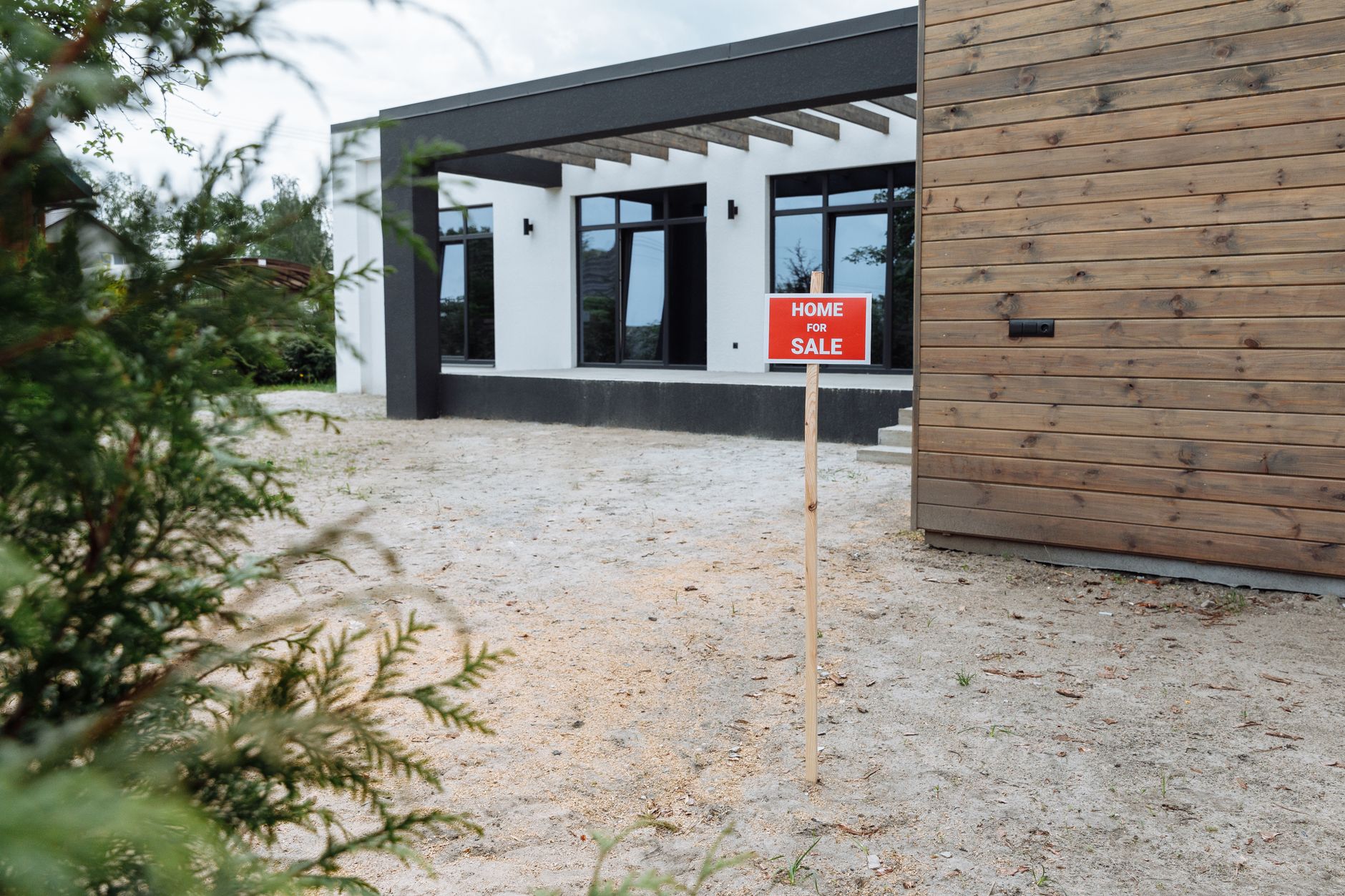
When a UK couple traded rainy Manchester for sun-drenched Brisbane in early 2025, they expected a lifestyle upgrade. Instead, they found themselves drowning in hidden costs, mortgage shock, and a property market that didn’t welcome newcomers with open arms. Their story, shared with realestate.com.au in July 2026, underscores a growing trend: expats are increasingly regretting their move to Australia, not because of the weather or culture, but because of the brutal financial reality—especially for those taking out a home loan. For mortgage borrowers, this serves as a stark warning about the hidden expenses that can derail even the most enthusiastic relocation.
The Hidden Costs That Broke the Expat Dream
The couple, who asked to remain anonymous, arrived with savings of AUD 150,000—enough for a 20% deposit on a median-priced Brisbane home, then around AUD 750,000. But within six months, they had burned through AUD 45,000 in unexpected costs, leaving them scrambling. The first shock was the Australian mortgage process itself. Unlike the UK, where lenders often accept a standard payslip and a credit check, Australian banks demanded a mountain of paperwork: proof of UK tax returns, rental history, and employment contracts. The couple spent AUD 3,500 on a migration agent to certify documents, only to be told their UK credit score was "invisible" to Australian bureaux. They were offered a loan at 7.2%—far above the 5.8% they’d seen advertised for locals.
Then came the property-specific costs. Stamp duty in Queensland for a AUD 750,000 home is approximately AUD 22,000, plus AUD 3,000 in legal fees and AUD 1,500 for building and pest inspections. The couple had budgeted AUD 15,000 for these, but the actual total was AUD 26,500. "We thought we’d done our homework," the wife told the reporter. "But we didn’t account for the fact that every quote came with a surcharge for 'non-resident processing' or 'expat verification'." The Australian Prudential Regulation Authority (APRA) data from June 2026 shows that non-resident borrowers pay an average of 1.2% more in interest rates than residents, adding AUD 9,000 annually on a AUD 600,000 loan.
Beyond the mortgage, the couple faced higher living costs: private health insurance (AUD 4,500 per year for a couple under 35) and car registration (AUD 800 annually in Queensland) were double their UK equivalents. They also underestimated the cost of renting while searching for a home—AUD 2,800 per month for a two-bedroom apartment in Brisbane’s inner suburbs, compared to their UK rent of GBP 1,200 (AUD 2,300). The net result: their monthly expenses were AUD 2,000 higher than anticipated, eating into their deposit savings.
This isn’t an isolated case. A July 2026 survey by the Australian Housing and Urban Research Institute found that 38% of expat buyers who purchased a home in the past 18 months reported "significant financial regret," with mortgage affordability cited as the top reason. For borrowers, the lesson is clear: the advertised "Australian dream" often comes with a hidden surcharge for newcomers.
Mortgage Challenges for Newcomers: What Lenders Don’t Tell You
The couple’s experience highlights a critical gap in the Australian mortgage market for expats and newcomers. Unlike domestic borrowers, who can rely on a stable credit history and local income, expats face a labyrinth of hurdles. First, lenders typically require a 20% deposit for residents, but for non-residents or recent arrivals, that minimum jumps to 30%—or even 40% for some lenders. Data from the Reserve Bank of Australia’s July 2026 Financial Stability Review shows that the average loan-to-value ratio for expat borrowers is 65%, compared to 75% for locals. This means expats need an extra AUD 50,000 to AUD 100,000 in savings for a median home.
Second, interest rates are punitive. The couple’s 7.2% rate was not an anomaly. According to Canstar’s July 2026 rate tracker, the lowest variable rate for a resident with a 20% deposit is 5.95%, while the lowest for a non-resident is 7.15%—a 1.2% gap that adds AUD 7,200 annually on a AUD 600,000 loan. Some lenders, like Westpac and NAB, offer "expat packages" that reduce this to 6.5%, but they require proof of Australian income within 12 months. For the couple, who both worked remotely for UK employers, this was impossible.
Third, the documentation burden is immense. Lenders demand two years of tax returns from the borrower’s home country, translated into English and certified by a qualified accountant. The couple spent AUD 1,200 on a UK-based accountant to prepare these, only to have the bank reject them because they were not "Australian-standard." A mortgage broker at Arrivau, who assisted the couple later, explained that many expats fail to realize that Australian lenders use a different income assessment method—based on gross annual salary, not net profit—which can disqualify self-employed or commission-based workers.
For borrowers considering a move to Australia, the advice is straightforward: get pre-approved before you leave your home country. A pre-approval from an Australian lender, even if conditional, locks in a rate for 90 days and clarifies the deposit and income requirements. The couple’s mistake was waiting until they arrived, by which time their UK credit history had expired and their savings were dwindling.
How to Avoid the Expat Mortgage Trap: A Data-Driven Guide
The couple’s regret is not inevitable. With careful planning, newcomers can navigate the Australian property market without financial pain. The key is to understand the specific costs and timelines involved. First, calculate the "expat premium" on your mortgage. Use the RBA’s July 2026 data: the average resident rate is 6.2%, while the average non-resident rate is 7.4%. On a AUD 500,000 loan over 30 years, that difference equals AUD 120,000 in extra interest payments. To mitigate this, consider a broker who specializes in expat loans—Arrivau, for example, offers a free consultation that can help match borrowers with lenders who waive the non-resident surcharge for borrowers who commit to moving within six months.
Second, budget for hidden costs with precision. The couple overlooked stamp duty, but also failed to account for lender’s mortgage insurance (LMI). With a 20% deposit, LMI is typically waived for residents, but for non-residents, lenders often require it even with a 30% deposit. LMI costs 2% to 3% of the loan amount—AUD 12,000 to AUD 18,000 on a AUD 600,000 loan. Include this in your savings target.
Third, build a financial buffer. The couple’s AUD 150,000 deposit was eaten by costs, leaving them with no emergency fund. A better approach: save 25% more than the deposit amount to cover stamp duty, legal fees, moving costs, and six months of mortgage repayments. For a AUD 750,000 home, that means AUD 187,500 in total savings.
Fourth, consider renting for six months before buying. This allows you to establish a local credit history, open a bank account, and secure a job with an Australian employer—all of which lower your mortgage rate. The couple could have saved AUD 7,200 per year by waiting to buy until they had six months of Australian payslips.
Finally, use online tools to compare. The Arrivau mortgage guides at /mortgage-guides/ provide a step-by-step checklist for expats, including how to transfer your UK credit score using a service like Nova Credit. The couple didn’t know this existed; they could have saved AUD 3,500 in certification fees.
FAQ: Common Questions from Expat Borrowers
Q: Can I get a mortgage as a non-resident without Australian income?
A: Yes, but it’s harder. Most lenders require at least one borrower to have Australian income within 12 months of settlement. If both are overseas, you’ll need a 40% deposit and pay a rate 1.5% to 2% higher. Some specialist lenders, like Bank of China (Australia), accept foreign income but require a 50% deposit.
Q: How do I transfer my UK credit history to Australia?
A: Use a credit reporting agency like Nova Credit, which partners with Equifax Australia to translate UK credit files. This costs about AUD 50 and can improve your rate by 0.3% to 0.5%. Alternatively, open an Australian credit card and make small purchases for six months to build a local score.
Q: What’s the minimum deposit for an expat in 2026?
A: For non-residents, it’s 30% to 40%. For permanent residents who have lived in Australia for less than two years, it’s 20%, but you’ll still pay a higher rate. Check the RBA’s July 2026 data: the average LVR for expats is 65%, meaning a 35% deposit is typical.
Q: Are there any government grants for expats buying a home?
A: No. The First Home Owner Grant is only for Australian citizens or permanent residents who have lived in the country for at least six months. Expats on temporary visas are ineligible. However, some states, like Victoria, offer stamp duty concessions for first-home buyers under AUD 600,000—but that rarely applies to expats.
Sources and Further Reading
- Realestate.com.au, "Why expat couple regrets moving to Australia," July 10, 2026. Link
- Australian Prudential Regulation Authority (APRA), "Quarterly Authorised Deposit-taking Institution Statistics," June 2026. Link
- Reserve Bank of Australia, "Financial Stability Review," July 2026. Link
- Canstar, "Home Loan Rate Tracker," July 2026. Link
- Australian Housing and Urban Research Institute (AHURI), "Expat Buyer Sentiment Survey," July 2026. Link
- Arrivau, "Mortgage Guides for Expats," /mortgage-guides/
- Arrivau, "Current Home Loan Rates," /rates/
Want the numbers run for your situation?
Get a free, no-obligation assessment from Arrivau's licensed team — loan, property or migration.
Start a free assessment →