
房贷
2026澳洲贷款利率全解析:最新利率、影响因素与选贷指南
2026年澳洲贷款利率全解析:RBA现金利率3.85%下浮动与固定利率对比,四大行与非银行贷款产品利率一览,助你选对最优澳洲贷款利率方案。
2026年澳洲贷款利率全解析:RBA现金利率3.85%下浮动与固定利率对比,四大行与非银行贷款产品利率一览,助你选对最优澳洲贷款利率方案。
Your 2026 guide to refinancing home loans in Australia: follow the step-by-step process, compare major lenders' rates and fees, learn when to refinance, calculate your break-even point, and avoid costly pitfalls for long-term savings and financial flexibility.

CBA's latest economic outlook reveals housing, AI and geopolitics as key forces driving mortgage rates and property values. Discover what this means for Australian borrowers in 2026-27.
A UK expat couple’s regret over moving to Australia reveals hidden costs, mortgage pitfalls, and lessons for newcomers navigating the Australian property market in 2026.

Complete Australian home loan glossary for 2026. Plain English explanations of 50+ mortgage terms including offset account, LVR, comparison rate, LMI, redraw, split loan, and more.

What online borrower communities say about Australian home loan lenders in 2026. Aggregated sentiment analysis from r/AusFinance and r/AusProperty: real borrower experiences with Big Four, non-bank, and digital lenders.

Bluestone home loan review 2026. Specialist non-bank lender for credit-impaired and alt-doc borrowers. Compare Bluestone near-prime and specialist rates from 6.89%.

Ubank home loan review 2026. NAB-backed digital bank offering simple variable and fixed rate home loans. Compare Ubank rates, features, and how they stack up against competitors.

Complete 2026 guide to foreign buyer stamp duty surcharges by state (NSW 9%, VIC QLD TAS 8%, WA SA 7%, ACT NT 0%), FIRB application fees, non-resident tax rates, CGT withholding. Sourced from state revenue offices and ATO July 2026.

Comprehensive Australian mortgage market statistics for 2026. Market share by lender category, average rates, broker vs bank channel analysis, and Reddit borrower sentiment data.
Stamp duty cost comparison across all 8 Australian states and territories in 2026 at $500K, $800K, and $1.5M. First-home buyer and foreign buyer duty compared. Sourced from state revenue offices July 2026.

HSBC Australia home loan review 2026. Compare HSBC Premier mortgage rates, expat home loan options, and international banking benefits for cross-border borrowers.
Northern Territory stamp duty 2026-27: formula-based duty under $525K, HomeGrown Territory Grant of $50,000 for first-home buyers, FreshStart $30K grant, and no foreign surcharge. Sourced from NT Territory Revenue Office.
ACT conveyance duty 2026-27 under HBCS with income test removed from 1 July 2026, no foreign surcharge on conveyance duty, and no FHOG. Sourced from ACT Revenue Office in 2026.
Tasmania transfer duty rates 2026-27, the expiry of the established-home first home buyer exemption on 30 June 2026, foreign investor surcharge at 8%, and FHOG eligibility. Sourced from SRO Tasmania.
Foreign bank home loans in Australia 2026. Compare HSBC Premier and Citi international mortgage options. Guide for expats, foreign income borrowers, and international property investors.
South Australia conveyance duty rates for 2026-27 with full stamp duty relief for new homes and off-the-plan purchases with no price cap, $15,000 FHOG, and the 7% foreign surcharge.
Western Australia transfer duty rates for 2026-27 with first-home buyer exemption up to $500,000 in metro areas and $750,000 regionally, plus the 7% foreign buyer surcharge. Use the Arrivau calculator.
Queensland transfer duty rates for 2026-27 with the landmark new-home full exemption for first-home buyers with no price cap, existing-home relief up to $700,000, and 8% AFAD surcharge.
Victoria land transfer duty rates for 2026-27 including full first-home exemptions up to $600,000, PPR concessional scale, and the 8% foreign purchaser additional duty. Estimate with the Arrivau calculator.
NSW transfer duty rates for 2026-27 with CPI-indexed thresholds, full first-home buyer exemptions up to $800,000, and the 9% foreign surcharge. Use the Arrivau stamp duty calculator for your property.

2026 total first-home purchase costs across every state: stamp duty concessions, FHOG amounts from $0-$50K, 20% deposit requirements, LMI, conveyancing and hidden upfront costs. Compare NSW, VIC, QLD, WA, SA, TAS, ACT, NT.

APRA 3% serviceability buffer confirmed May 2026 reduces borrowing power. DTI ≥6 cap limits high-debt lending to 20% of new loans from Feb 2026. Use our borrowing power calculator to estimate your maximum loan.
Medicare Levy is 2% of taxable income. MLS surcharge adds 1.0%-1.5% for singles earning above $101K without hospital cover. 2026 thresholds, tier rates, and how basic hospital cover can save you money.
2026-27 HELP/HECS repayment rules explained: marginal system means you only repay on income above the $69,528 threshold, not total income. Repayment examples at $75K, $100K, $140K, $200K.
2026-27 Australian income tax rates explained: the 16% to 15% rate cut from 1 July 2026, sample tax payable at key incomes, Medicare Levy, and the 14% cut coming in 2027. Use our calculator.

How the 2026 RBA board voting pattern shapes the cash rate outlook. This hawk–dove index dissects voting records, member terms, and the impact on Australian mortgage borrowers. Independent Australian data; rba board voting 2026.

Arrivau analyses the RBA SMP 2026 February statement, unpacking updated GDP, inflation, and cash rate forecasts and the implications for Australian mortgage borrowers and serviceability.

The lo doc to full doc switch in 2026 demands two years of ATO-verified income, an LVR under 80%, and pass of APRA’s serviceability buffer. Data-driven thresholds for Australian self-employed borrowers.

Lender refused your low-doc application in 2026? Discover the six most common reasons—from serviceability buffers to ATO tax debt—and learn how to switch lenders successfully. Independent Australian analysis.

Analysis of low doc loan refusals in 2026: regulatory drivers, verification gaps, and a step-by-step guide to switching lenders after a decline. Contains data from APRA, RBA and ATO. Information only, not advice.
Low doc construction loans let self-employed borrowers build without full financials. For 2026, LVR caps hold at 60–80%, interest premiums range 0.25–2.00% above standard rates, and APRA’s serviceability buffer remains 3.0%. Read the lender requirements, stage-payment mechanics, FIRB rules and RBA rate landscape.

Examines the 2026 structural shift of low doc home loan refinancing from niche to mainstream, driven by APRA buffer adjustments, narrowing rate spreads, and digital verification. Covers LVR constraints and DTI data. Information only, not financial advice.

Low doc investor 2026 landscape: SMSF commercial borrowing, serviceability buffers, FIRB fees and blended strategies for Australian property investors. Data-driven analysis.

How outstanding ATO debt and payment plans affect low doc loan eligibility in 2026. Lenders tighten serviceability when tax debts exceed thresholds. Analysis for self-employed borrowers.
Low doc rates in 2026 sit at 6.5–9.5%, driven by APRA risk weights, self-employed arrears data and a shrinking lender pool. This deep analysis explains the risk premium behind the low doc rate 2026 tier.

Low doc rates in 2026 sit between 6.5% and 9.5%—informed by RBA cash rate forecasts, APRA risk weights and historical arrears. This analysis unpacks the lender risk premium for self-employed Australians.

Explore the 2026 tradie low doc loan framework: 4 BAS + 6-month bank statements alternative documentation path. Independent Australian analysis of eligibility, lender assessments, and market trends for English-speaking borrowers.

In 2026, farmer low doc loans enable Australian primary producers to secure working capital and land finance without full tax returns. Explains LVR, rates, drought concessions, and APRA data.

Map the top 15 active low doc lenders in Australia for 2026. Critical rates, LVR caps, ATO income verification and APRA serviceability updates from RBA data at arrivau.com. Information only, not personal financial advice.

Map of the 15 most active low doc lenders in 2026—LVR ceilings, rate spreads, documentation requirements and APRA serviceability settings for Australian self-employed borrowers.
Understand the 2026 Australian mortgage timeline with key 30-, 60- and 90-day regulatory and lending benchmarks. Data-driven guide for English-speaking borrowers.

Explore the 2026 loan timeline benchmarks—30-day pre-approval, 60-day conditional approval, and 90-day full settlement—for Australian mortgage borrowers. Includes FIRB processing times, APRA buffering, and key milestones.

Discover how stamp duty edge cases 2026 can unlock concessions for first-home buyers, family transfers, foreign purchasers, and off-the-plan settlements. Navigate upcoming policy shifts with numeric precision.

From the 2026 financial year, the foreign resident CGT withholding rate rises to 15% and the $750,000 threshold is removed. Understand the 2026 foreign cgt withholding rules, compliance obligations, clearance certificates, and how these changes affect Australian property transactions.

Foreign resident CGT withholding sits at 12.5% in the current law, with a $750,000 market value threshold. From 1 July 2025 the rate rises to 15% and the threshold is abolished—affecting every property disposal from 2026. This guide covers the mechanics, clearance certificates, and what the changes mean for mortgage borrowers.

Understand the main residence exemption 2026 framework. Explore the 6-year rule, edge cases, partial exemptions and ATO compliance signals for Australian mortgage borrowers.

Understand the main residence exemption 2026 rules for Australian property owners. Explore the six-year absence rule, converting a home to an investment, foreign resident changes, and ATO compliance — independent analysis, not advice.

When a borrower dies in Australia, the estate inherits both the property and the mortgage. This guide examines death of borrower mortgage obligations, lender rights, continuity options, and 2026 regulatory context. Information only, not personal financial advice.

A data-driven guide for Australian mortgage borrowers on when and how to escalate a complaint to AFCA in 2026. Covers IDR, AFCA jurisdiction, process, deadlines, and probable outcomes. Independent Australian.
Australian mortgage borrowers can request repayment changes under the NCCP hardship variation framework. This guide sets out the legal right, 2026 context, and a ready-to-use application template. Information only, not personal financial advice.

Guide to exercising your hardship variation right under the NCCP in 2026. Covers section 72 thresholds, ASIC’s updated expectations, an application template and arrears data. Independent Australian information.
Australian borrowers face negative equity 2026 if house prices fall below loan balances. Explore triggers, LVR dynamics, regulatory buffers, and mortgage stress risks. Information only, not advice.

Examining the risk of negative equity in Australia by 2026 as the RBA’s 4.35% cash rate and softening dwelling values collide. Data on LVR distributions, APRA buffers, and borrower exposure for English-speaking mortgage holders.

In 2026, Australian banks rely on strict pricing models for distressed property as mortgagee sales rise. Understand RBA rate impacts, APRA buffers, FIRB restrictions and forced sale discounts. Independent Australian.

Map every major Australian lender's repayment holiday rules for 2026: CBA, Westpac, NAB, ANZ, Macquarie and more. Updated eligibility, maximum pause periods, credit score impacts and APRA guidance in one location.
Australian mortgage borrowers facing repayment strain in 2026 can examine six loan restructure avenues—from internal term extensions to formal hardship variations. Independent Australian information.

Explore how fractional property 2026 co-ownership models like Equity Mate and FractionalProperty operate within RBA, APRA and FIRB rules. Data-driven analysis for Australian mortgage borrowers.

Reverse mortgage 2026 in Australia: interest rates, LVR limits, age pension impact and the no-negative-equity guarantee for borrowers aged 65 and over. Independent Australian analysis, not personal advice.

Vendor finance australia 2026 explained: lease option, vendor terms and wrap mortgages under ASIC, ATO and state rules. Stamp duty, CGT, and credit licence requirements for sellers and buyers.

Compare 6-month and 12-month bridging loan rates and fees for 2026. Detailed cost analysis based on RBA cash rate, APRA limits and lender data. Independent Australian information for informed borrowers.

Compare 6-month and 12-month bridging loan rates and fees for Australian borrowers in 2026. Includes RBA cash rate forecast, APRA serviceability, LVR limits, capitalised interest, and break cost mechanics.

In 2026, Australian borrowers face second mortgage caveat loan risks with elevated interest rates and regulatory limits. Compare first vs second mortgage priority, APRA delinquency data, and caveat mechanics. Second mortgage caveat 2026 guide.

In-depth 2026 service quality review of three leading Australian online home loan platforms—Athena, Tic:Toc, and Unloan. We assess approval timelines, rate structures, customer redress, and digital experience against RBA and APRA benchmarks. Independent Australian analysis.

Independent Australian 2026 review of service quality from online lenders Athena, Tic:Toc and Unloan. Analyses interest rates, approval speed, customer support and refinancing with RBA, APRA and ABS data. For English-speaking borrowers.

A state-by-state analysis of conveyancing cost 2026 for NSW, VIC, QLD and WA, including solicitor fees, search expenses and government charges. Data-backed estimates with official rate sources.

Conveyancing cost 2026 state-by-state analysis for NSW, VIC, QLD and WA. Compare solicitor fees, disbursements and government charges with primary source data for Australian mortgage borrowers.

Australian mortgage borrowers face evolving loan application fees in 2026. This guide breaks down application costs, discharge fees, and settlement charges under current regulatory benchmarks.

Examine LMI capitalisation in 2026—add to loan or pay upfront. Compare costs under APRA’s 3% serviceability buffer, ATO tax deductibility, and LVR impact. Data from RBA, APRA, and MoneySmart. Information only.

A data-driven analysis of Australian home loan pre approval validity 2026. Compare 90-day and 6-month pre-approval terms across major lenders, understand APRA and ASIC regulatory influences, and plan your application strategy.

Independent Australian analysis of pre-approval validity periods across major lenders in 2026. Compare 90-day and 6-month terms, renewal policies and risks. Includes primary source data from ASIC, APRA and lender sites.

Online borrowing power calculators suggest a $1.2 million loan but Australian banks approve only $900K in 2026. We dissect APRA’s serviceability buffer, HEM, income shading and DTI limits that drive the 25% gap.

LVR tier rate 2026 outlook: compare mortgage rate spreads between 60%, 70%, 80% and 90% LVR loans in Australia. APRA capital reforms, LMI costs, and 90% LVR rate loading explained.

The interest only premium 2026 continues to reshape Australian mortgage pricing. Compare owner-occupier and investor IO rates, RBA spread data, APRA capital drivers, and the 2026 outlook in this data-rich analysis.

In 2026, Australian property investors face a persistent loan premium of 30–60 basis points above owner-occupier rates, driven by APRA capital rules and serviceability buffers. Understand the full cost breakdown.

Independent Australian comparison of construction loan rates for 2026. Analyse RBA cash rate impact, lender pricing, APRA serviceability buffers, tax implications, and FIRB fees for borrowers. Information only.

A data-driven comparison of 2026 lenders mortgage insurance pricing from Genworth and QBE, examining LVR band rates, APRA capital impacts, and borrower cost implications. lmi provider comparison 2026.
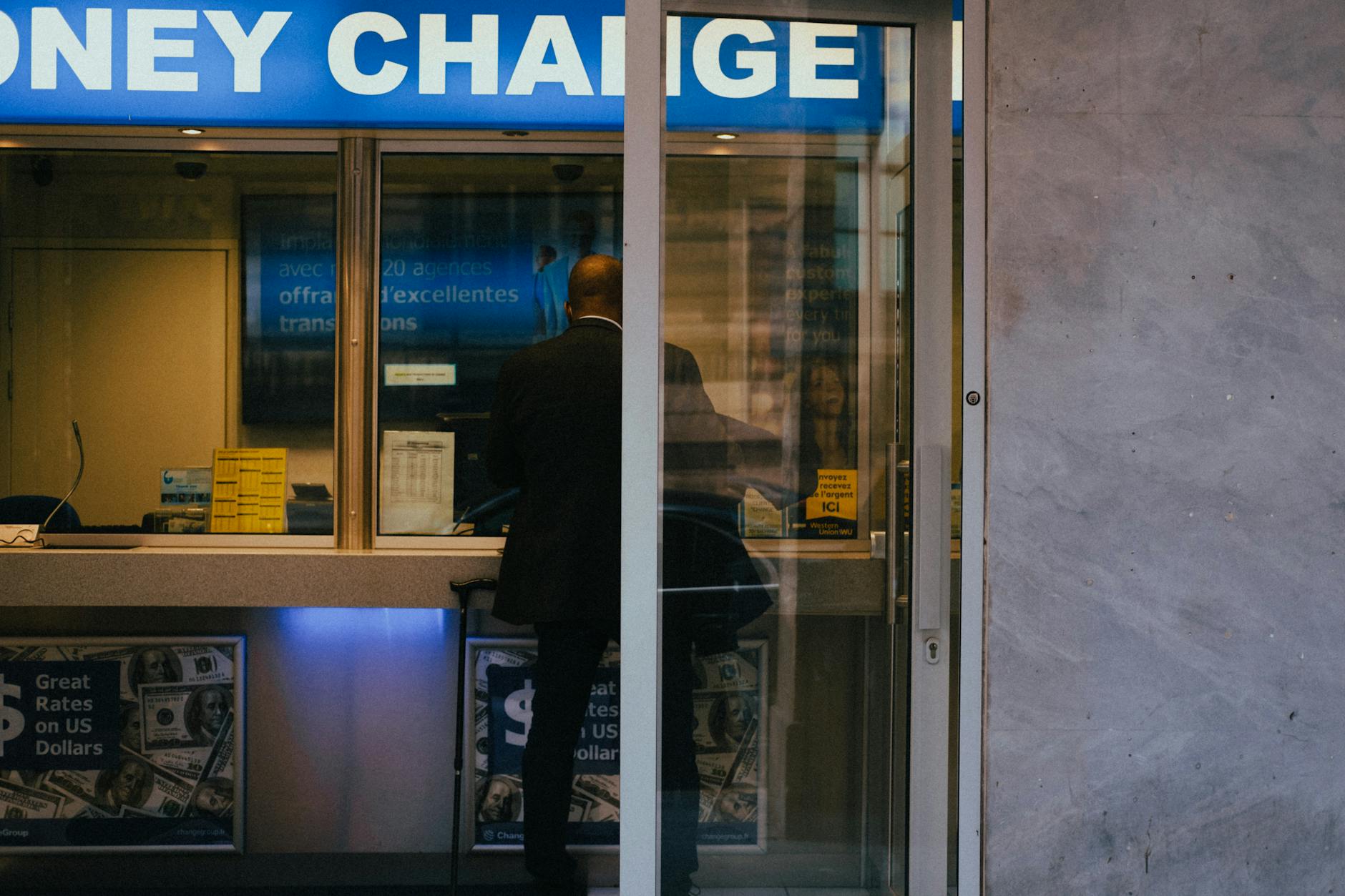
Arrivau examines the mortgage stress threshold 2026 through the 30/40/50 percent income markers, using RBA, APRA and ABS data on serviceability buffers, debt-to-income ratios and repayment affordability.

Independent analysis of the rba cash rate 2026 forecast and how delays in lender pass-through will shape mortgage rates. Data-driven with primary RBA sources. Not personal financial advice.

Australian mortgage borrowers face a fixed rate term decision in 2026: 1-year, 3-year or 5-year lock. We compare rate forecasts, break costs and yield-curve pricing using RBA, ASIC and APRA data. Independent analysis.

A data-driven comparison of 50/50 and 70/30 split loan allocation strategies for Australian mortgage borrowers in 2026, using RBA rates, APRA buffers and scenario analysis. Information only, not advice.

In 2026, the offset vs redraw decision turns on a tax-liquidity trade-off. This 2,200-word independent analysis maps ATO deductibility, APRA deposit safety, and RBA rate paths to a dollar‑precise break‑even.

Why the advertised rate rarely reflects the true cost of a home loan. Comparison rate explained 2026 — with a worked example, regulatory context and a practical cost calculator for Australian borrowers.

In 2026, the Australian non-bank lender sector intensifies its competition as Pepper, Liberty, Resimac and Bluestone vie for self-employed, alt-doc and near-prime borrowers. This deep analysis covers rates, regulation and broker strategies.

Independent Australian analysis comparing CBA, ANZ, Westpac and NAB variable home loan rates in 2026. Includes LVR tiers, discount margins, offset features and fees. Information only, not personal financial advice.

Pre-approval expired in 2026? Compare re-submission and switching lenders with current rate data, APRA serviceability rules, and step-by-step strategy. Independent Australian information.

Home loan refused 2026: Analyse the seven most common reasons Australian lenders reject applications and the exact fix path. Data from APRA, RBA, and FIRB.

Foreign investors face a $15,100 FIRB approval fee for residential properties in 2026, a 30-day statutory decision window, and a new ban on purchasing established dwellings. Arrivau details the latest thresholds, exemptions, and compliance data.

Understand the subdivision loan 2026 landscape for the buy-subdivide-resell strategy. APRA metrics, LVR caps, DTI limits, and tax implications — all cited from Australian authorities.

Explore the granny flat loan 2026 landscape in Australia: STCA vs DA approvals, capital uplift, rental yield calculations, and lender product details. Data-driven, no advice.

Analysis of Australia's negative gearing rules ahead of 2026, tax benefit modelling under current law, and loan structure strategies to maximise interest deductibility. Covers ATO compliance, depreciation interaction, and contingency planning for potential reform. Information only, not personal financial advice.

Why a $250,000 SMSF balance is emerging as the practical minimum for LRBA property loans in 2026, the lenders still writing SMSF loans, and the ATO rules that govern limited recourse borrowing arrangements. Information only, not personal financial advice.

As interest rates remain elevated into 2026, mortgage stress hardship 2026 forces a decision between a hardship variation and refinancing. We examine regulatory requirements, serviceability buffers, and data from RBA and APRA.

Refinancing with bad credit in 2026 remains possible through specialist lenders. Review APRA serviceability buffers, rate spreads, LVR caps, and the RBA rate outlook shaping borrower pathways. Information only, not personal financial advice.
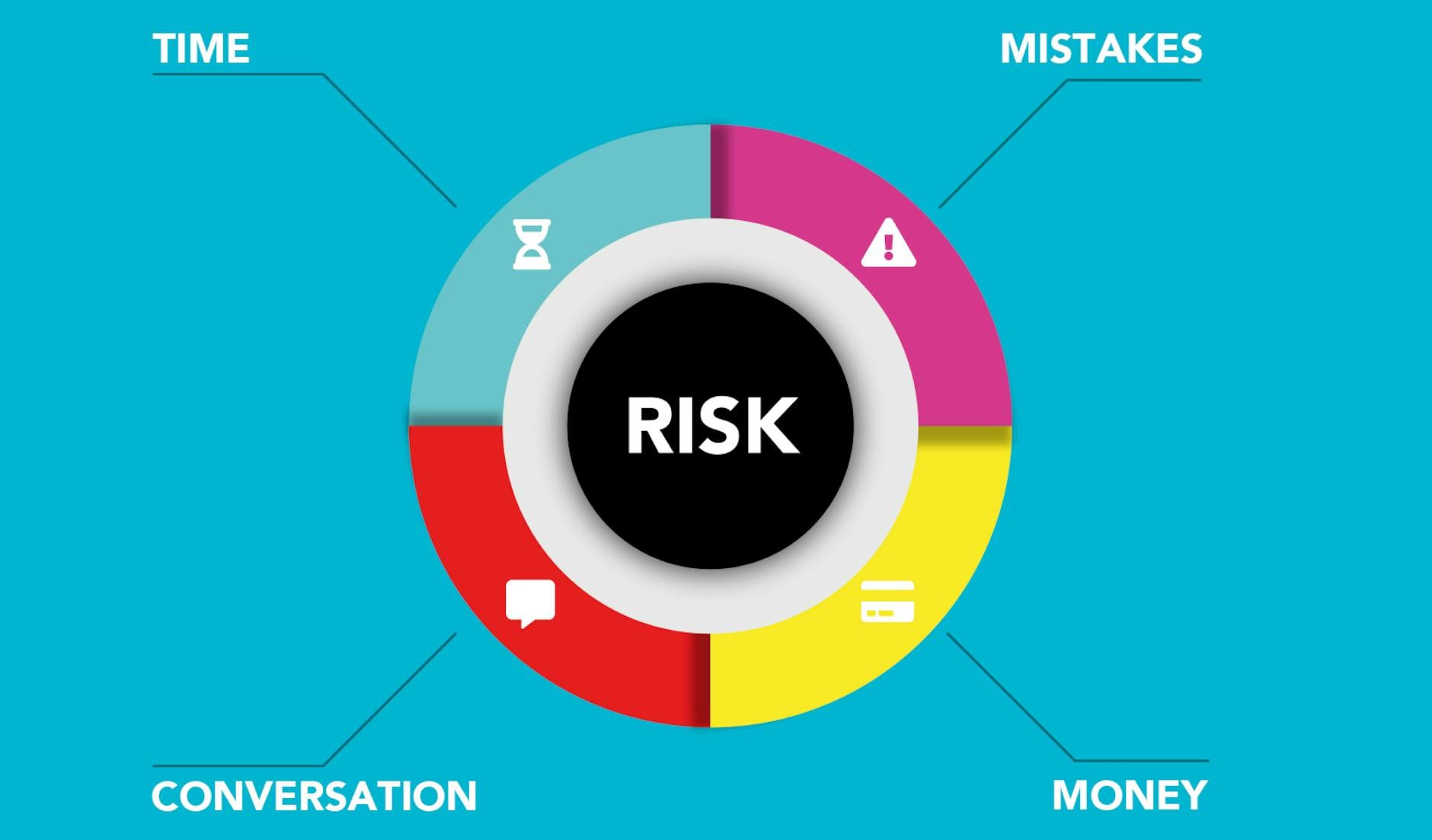
Examining reverse mortgage refinance pathways for Australian retirees in 2026: regulatory framework, lender comparisons, interest rates, and equity release mechanisms. Covers ASIC protections and RBA trends. Reverse mortgage 2026 options analysed.

Independent analysis of the APRA refinance stress test 2026 3% buffer, showing how it reshapes serviceability, loan-to-value ratios, and refinancing capacity for Australian mortgage borrowers.
Independent comparison of 2026 Australian refinance cashback offers from $3,000 to $10,000. Examines lender conditions, LVR limits, serviceability buffers and the true cost of cashback deals. Includes primary-source data from RBA, APRA and ATO.

Self-employed Australian borrowers can secure mortgage rates 40–80 basis points lower in 2026 by refinancing from a Big-4 bank to a non-bank lender. This article covers assessment criteria, RBA cash outlook, and the step-by-step process.

Australian lenders in 2026 cautiously assess crypto income and trading profits for home loans. This guide explains APRA rules, ATO documentation, and lender-specific policies for a successful crypto income home loan 2026 application.

How plumbers, electricians and builders can verify income for a tradie home loan in 2026. Covers APRA serviceability, ATO documentation, LVR limits and rate ranges to secure a mortgage as a self-employed tradie.

From February 2026, APRA’s 6× debt-to-income cap reshapes borrowing; non-bank lenders offer a workaround but at higher rates. Analysis of APRA, RBA and ASIC data. Information only, not advice.
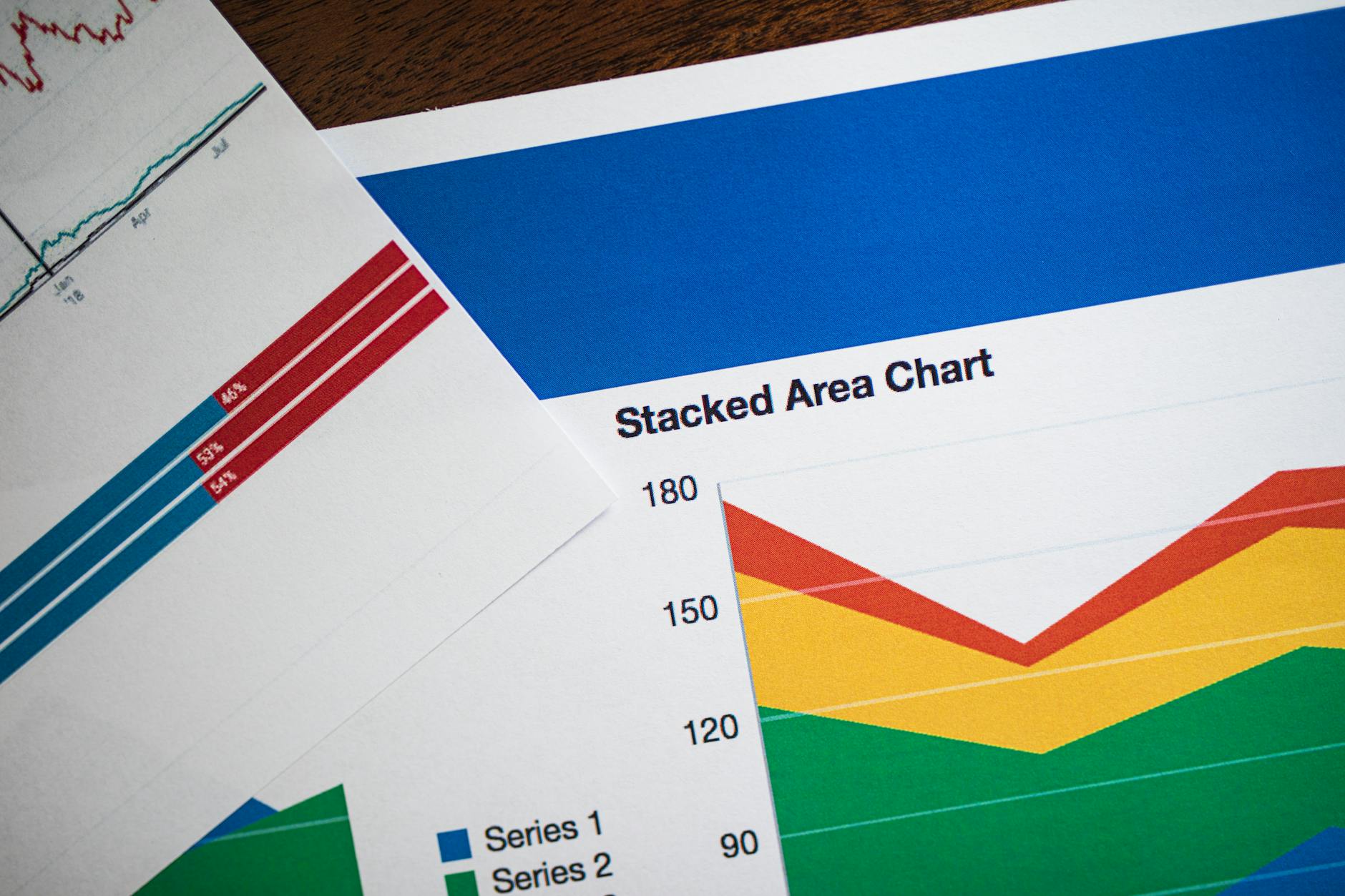
Low doc loan 2026 uses BAS and bank statement income verification for self-employed borrowers. LVR caps, APRA limits, actual rate ranges, and 2026 regulatory outlook. Independent Australian resource.

Australia’s 2026 apartment lender restrictions reshape first-home choices. APRA LVR caps, DTI guardrails and FIRB rules tighten for units vs houses. Data and policy sources.

The genuine savings rule 2026 remains a key test for Australian mortgage borrowers. This article examines what qualifies as genuine savings under the 5% benchmark, including rent history and family gifts, with references to APRA, ATO and Housing Australia guidance.

An independent comparison of borrowing capacity, stamp duty relief and repayment obligations for first home buyers earning $80,000, $120,000 and $180,000 in 2026 Australia – based on RBA rates and APRA buffers.

Compare FHOG eligibility, grant amounts, and property price caps across every Australian state and territory in 2026. State-by-state map with official revenue office links and 2026 outlook.

A data-driven comparison of stamp duty concession schemes across NSW, VIC, QLD, and WA in 2026. Thresholds, savings, and eligibility updated with primary sources. Independent Australian analysis.

The First Home Super Saver (FHSS) scheme allows first-home buyers to save a deposit inside super using pre-tax contributions. This 2026 guide covers caps, tax benefits, eligibility and release steps.

An independent LMI savings analysis for first home buyers under the 2026 Home Guarantee Scheme. See how a $700k property can save $20,000–25,000 in Lenders Mortgage Insurance. Information only.

From July 2026, the Australian Government’s 5 percent deposit scheme 2026 waives LMI and removes income caps. Over 30 lenders participate; property price caps indexed. Eligibility, interest rates, and costs detailed.

Self-employed borrowers face stricter serviceability tests and longer approval timelines. We decode how lenders assess low-doc and no-doc loans, and what it takes to get approved in 2026.

With the RBA cash rate at 4.10% and lenders offering competitive fixed and variable packages, choosing the right home loan structure matters more than ever. This guide compares fixed vs variable rates, break costs, offset accounts, and suitability for different buyer profiles.